Who is Liable for AI Errors? Navigating the New Wave of Deepfake and Privacy Lawsuits in 2026
 By
Editor Team
By
Editor Team
The Best Attorney USA Editorial Team is dedicated to bringing transparency and clarity to the American legal landscape. Composed of legal researchers,...
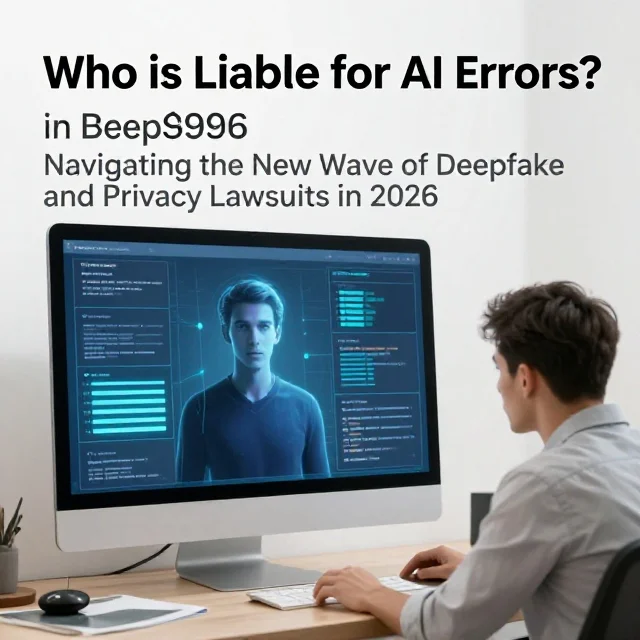
Who is Liable for AI Errors? Navigating the New Wave of Deepfake and Privacy Lawsuits in 2026
The year is 2026, and Artificial Intelligence (AI) has permeated nearly every facet of our lives. From powering self-driving cars and medical diagnostics to generating realistic digital content, AI promises unparalleled innovation. Yet, with this incredible progress comes a complex web of legal challenges. What happens when AI systems make mistakes? Who is held accountable for AI Errors, especially when they lead to financial loss, reputational damage, or even physical harm? This question becomes even more pressing with the proliferation of sophisticated Deepfake technology and the growing number of Privacy Lawsuits stemming from AI's insatiable appetite for data.
The legal landscape is struggling to keep pace with technological advancement. Traditional legal frameworks, designed for a physical world, often fall short when confronted with the intangible and autonomous nature of AI. This comprehensive guide will explore the evolving legal theories, the specific challenges posed by deepfakes and data privacy, and provide practical advice for individuals and businesses navigating this new frontier of liability.
The Evolving Legal Landscape of AI Liability: Beyond Traditional Frameworks
When an AI system makes a mistake – whether it's an erroneous medical diagnosis, a flawed loan application decision, or a self-driving car accident – identifying the responsible party is far from straightforward. Unlike a faulty traditional product, an AI system "learns" and evolves, making its behavior dynamic and sometimes unpredictable.
Defining "AI Error"
An "AI Error" isn't always a simple bug in the code. It can manifest in several ways:
- Algorithmic Bias: If an AI is trained on biased data, it can perpetuate and amplify discrimination, leading to unfair outcomes in areas like employment, credit, or criminal justice.
- System Failure: A malfunction in the AI's hardware or software, similar to traditional product defects.
- Unintended Outcomes: The AI operates as designed but produces results that cause harm, due to unforeseen interactions or complex emergent behavior.
- Data Contamination: Errors or malicious input in the training data leading to flawed AI decisions.
Who is Responsible? Potential Parties in AI Liability
Attorneys are increasingly looking at multiple potential defendants, depending on the nature of the AI Error:
- The Developer/Programmer: If the error stems from faulty code, poor design choices, or a failure to adequately test the algorithm. This aligns with traditional negligence or professional malpractice claims.
- The Manufacturer/Integrator: If AI is embedded into a product (e.g., a smart device, autonomous vehicle), the entity that brings the final product to market could face product liability claims (defective design, manufacturing,
Frequently Asked Questions
Need Legal Assistance?
Our experienced attorneys are ready to help you with your legal matters. Get personalized consultation today.
Get ConsultationRecent Posts
5 Defining Civil Litigation Cases of 2026: How Leaders Must Adapt to AI, Trade
Jun 21, 2026
5 Defining Civil Litigation Cases of 2026: How Leaders Must Adapt to AI, Trade, and Regulatory Shifts
Feb 23, 2026

Top 10 Best Personal Injury Attorneys in Los Angeles, CA (2026)
Feb 22, 2026

The 2026 USA Visa Outlook: Key Changes to H-1B, Green Cards, and Work Authorization
Feb 08, 2026

Divorce in the Digital Age: How to Protect (and Split) Crypto, NFTs, and Digital Businesses
Feb 08, 2026